WHAT WE DO
Ourweb design
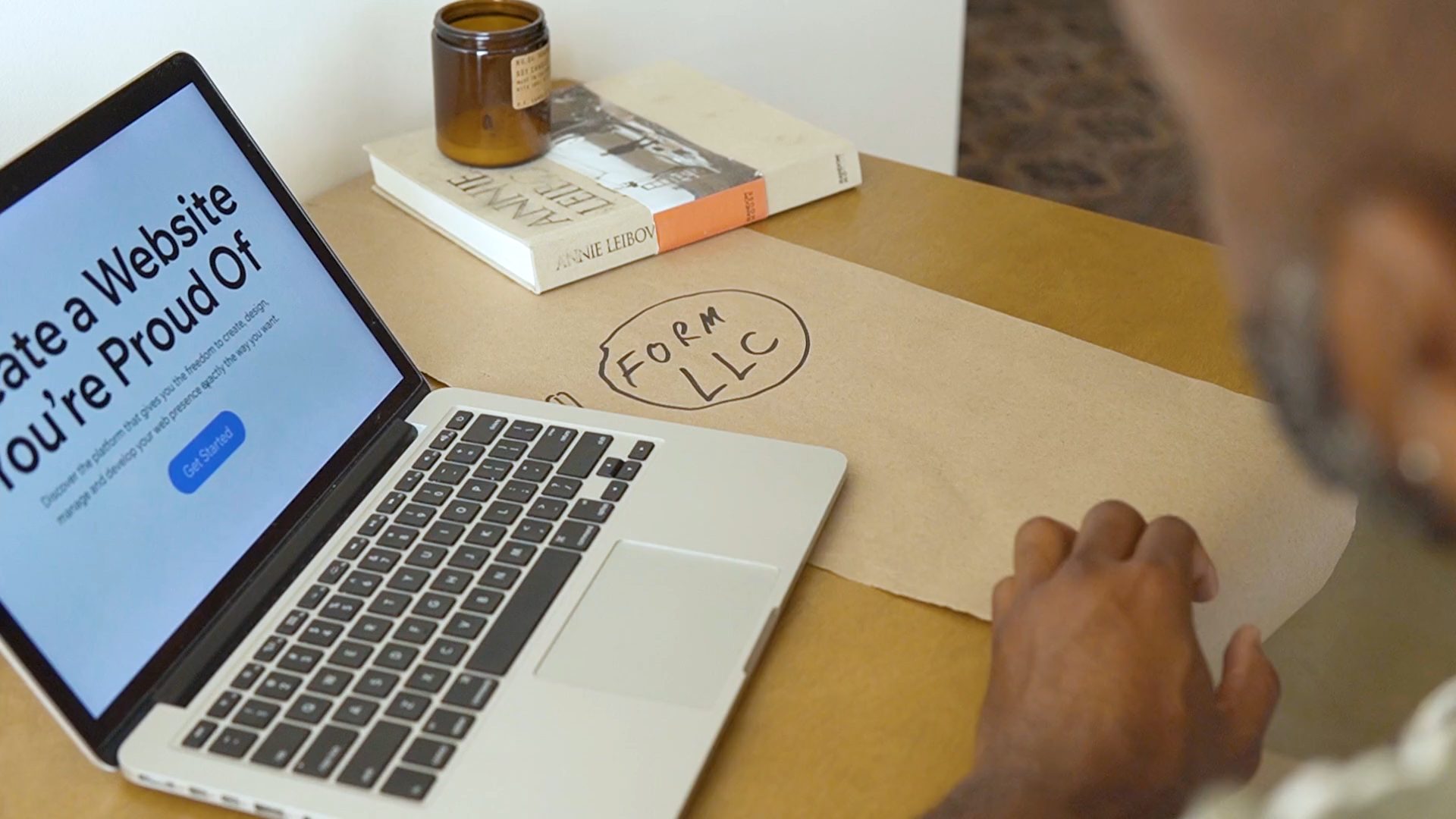
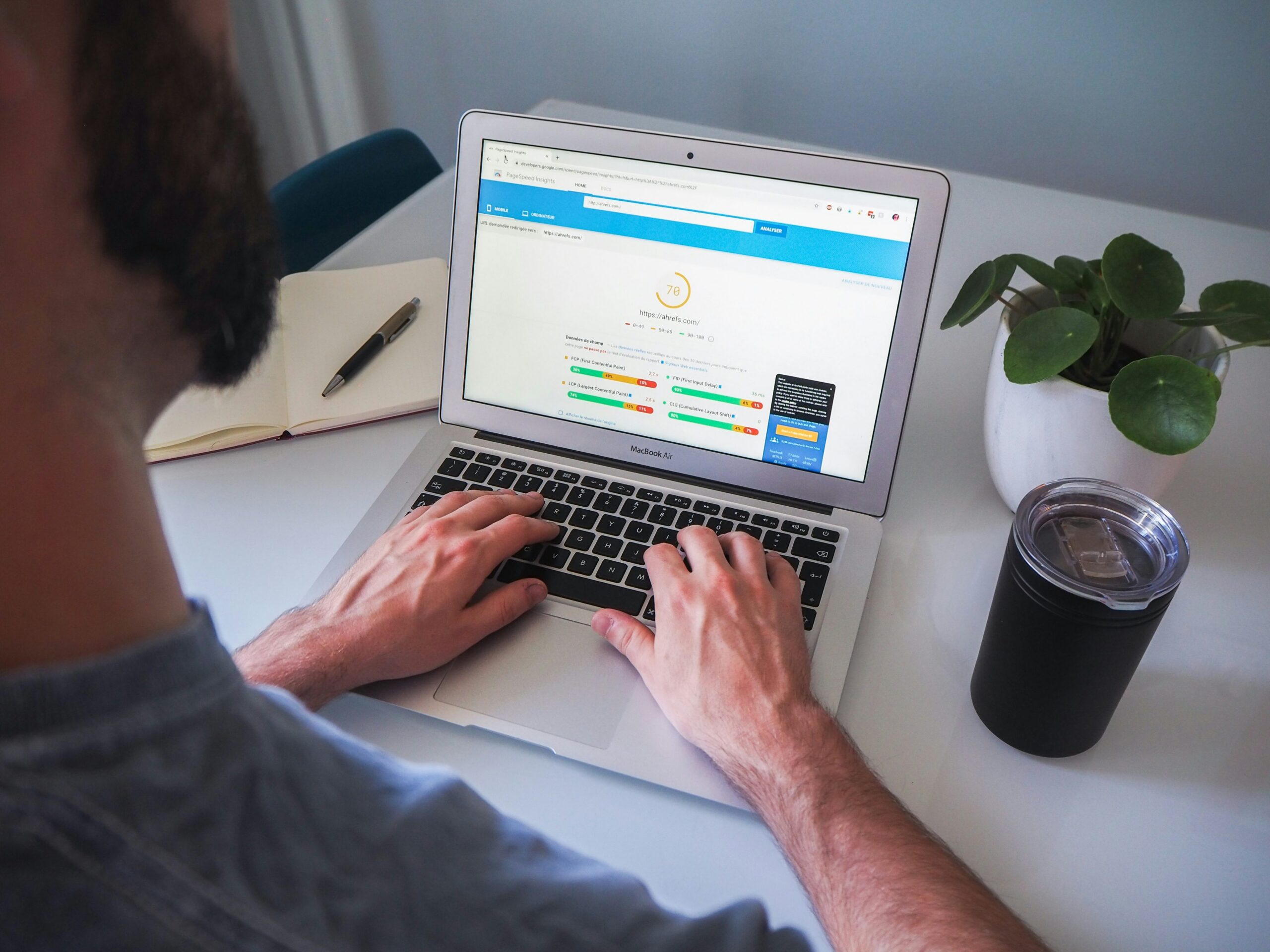
A website should make it easy for the right person to understand what you do, trust you and take the next step. We design and improve websites with marketing performance in mind, connecting structure, content and conversion so the site actively supports growth. Many websites are built to look professional and on-brand, but they aren't built to sell — they're unclear on what makes the business different, light on the proof people need before committing, and leave visitors doing too much thinking. If you're already generating traffic through SEO, ads or referrals but enquiries are lower than they should be, the fastest path to better results is often the website itself, not more spend.


How we approach
web design
We treat web design as part of the wider marketing system, bringing structure, messaging, user experience and conversion together from the start. That means clear positioning above the fold, proof and trust signals placed where people actually look for them, and a page hierarchy that answers objections before they're raised rather than leaving visitors to hunt for what they need. Sometimes this means a full rebuild; other times it's tightening what's already there. Either way, the priority stays the same: identify what's holding conversion back and fix the highest-leverage pieces first.
Start with the user journey
Before design, we work out who the page is for, what they need to understand and what should happen next. That keeps the structure focused on decisions rather than decoration.
Make the message clear
Good design cannot rescue confusing positioning. We prioritise the value proposition, page hierarchy and copy so visitors can quickly understand why the business is relevant to them.
Design for conversion
Trust, proof, calls to action, forms and page flow are considered from the beginning rather than added after the visual design is finished.
Use data where it exists
Analytics, heat maps, campaign data and search behaviour can all show where the current experience is creating friction. We use those signals to guide improvements.
Keep marketing connected
The website needs to support SEO, advertising, tracking and future content. We design with those requirements in mind so the site works as part of the wider strategy.
Capabilities
Website strategy
A website that looks good but wasn't planned properly tends to show it once real customers start using it. Before any building starts, we map out the sitemap, page hierarchy, user journeys and content requirements, so the site is structured around how people actually research and decide, not just how it looks in a mockup. Getting this right upfront avoids expensive restructuring later.
Website design
Design should do more than look current — it needs to make the business easy to understand and trust. We design pages that are modern and fully responsive, with layouts built around clarity, credibility and ease of use rather than decoration for its own sake. The result should feel professional without getting in the way of what visitors are actually there to do.
Copy & content structure
A website's copy has to do two jobs at once: explain the offer clearly to a real visitor, and give search engines a clear signal about what the page is actually about. We write and structure messaging that does both, rather than treating copy as an afterthought once the design is finished. That includes making sure the important information is actually on the page, not missing entirely.
Landing pages
A landing page tied to a specific campaign works differently to a general website page — it needs to continue the conversation the ad started, not introduce the business from scratch. We build campaign-specific pages matched to the intent and awareness level of the traffic they're built for, so cold and warm visitors aren't given the same experience. These are built to be measured and improved as the campaign runs, not treated as fixed once launched.
Conversion rate optimisation
Once a site is live, the work of improving it doesn't stop — the pages that matter most deserve ongoing attention, not a one-time launch and forget. We make data-led improvements to key pages, forms, calls to action and user journeys, guided by how visitors are actually behaving rather than guesswork. Small, evidence-based changes here often move the needle more than a full redesign.
Tracking readiness
A new website that isn't tracking-ready creates a gap in the data the moment it goes live. We build forms, calls and other key actions with proper tracking in mind from the start, so the site can support real measurement from day one rather than needing to be retrofitted later. That means marketing performance can actually be assessed properly once the site is live, not guessed at.
Next level
performance

Heat mapping
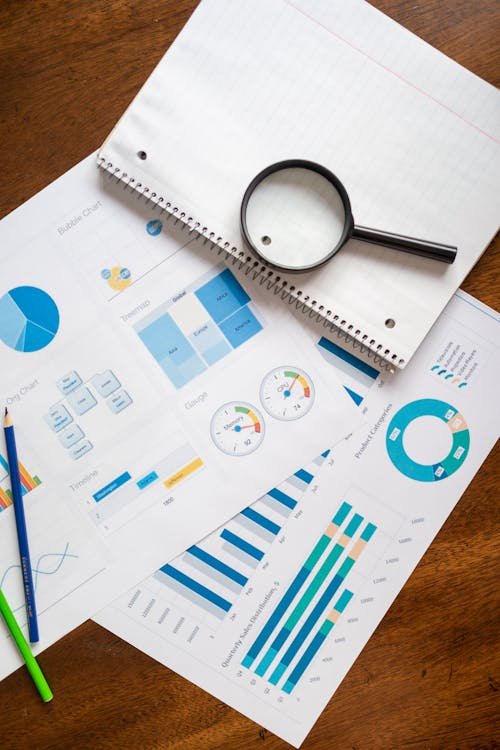
We use heat mapping and session recordings to see exactly how real visitors move through your most important pages, where they click, how far they scroll, and where attention drops off before they take action. That behavioural evidence replaces guesswork with a clear picture of what's actually happening on the page, not just what the numbers suggest might be happening. It's one of the fastest ways to spot friction on a landing page or website before it shows up as a drop in enquiries.
Creative testing
Ad creative, messaging and offers are tested systematically rather than swapped on instinct, so we can see which combinations of images, headlines and calls to action genuinely move the numbers. Every test runs against a clear hypothesis with enough data behind it to draw a real conclusion, not just a feeling about what 'looks better'. Over time this builds a picture of what actually resonates with your audience, so advertising keeps improving through evidence rather than personal preference.

12-month roadmaps
Every account gets a structured plan covering the next 12 months, so effort stays focused on the highest-impact work instead of whatever feels most urgent that week. That roadmap keeps the bigger picture clear and shows how individual campaigns and channels fit into the wider strategy. It's a living plan rather than a fixed one, though, as priorities shift the moment the data points to a better opportunity.
Reporting & analytics
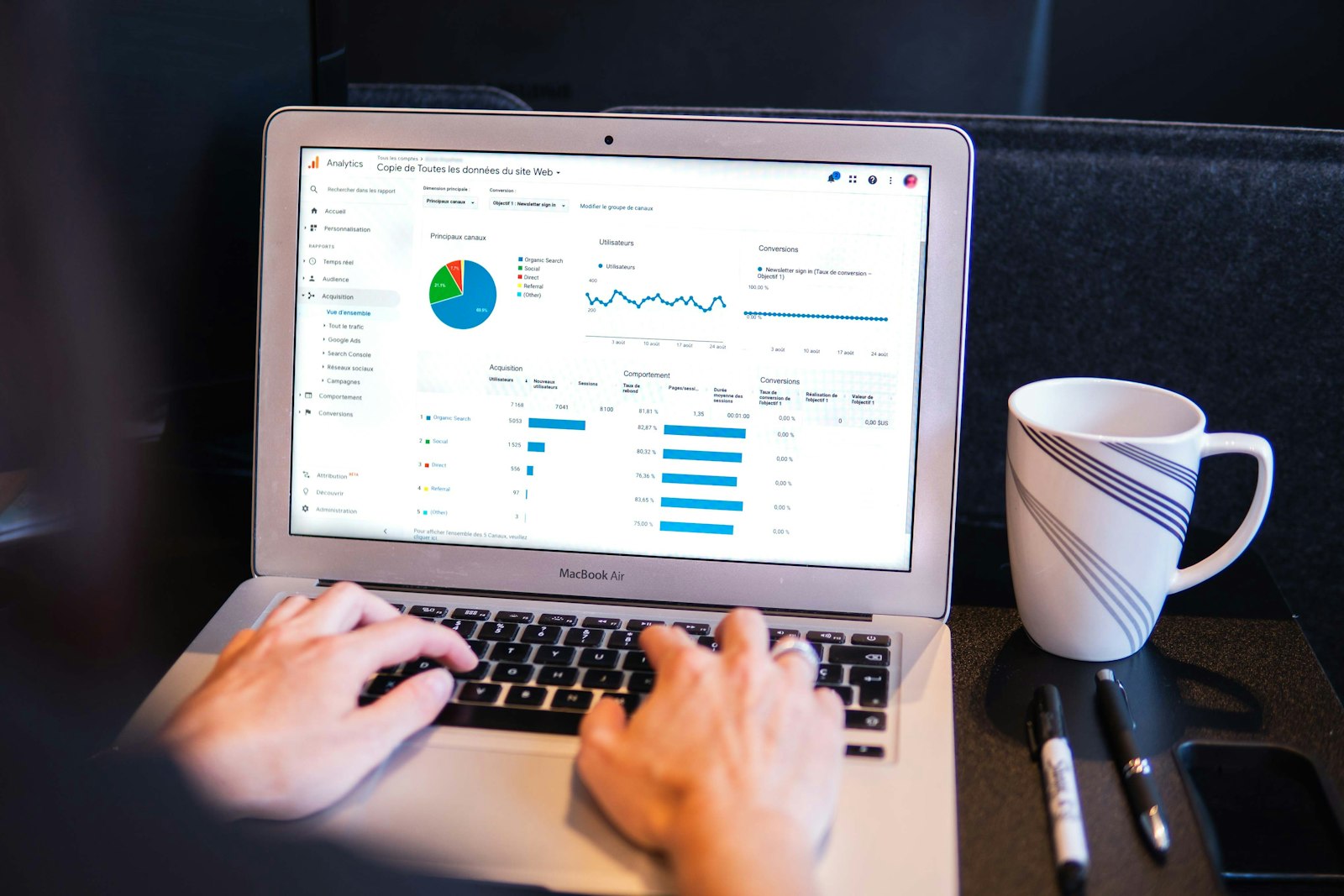
Reporting is built around the numbers that actually matter to your business, leads, sales, cost per acquisition and revenue, rather than vanity metrics like impressions or clicks that look good but don't pay the bills. Performance across every channel is brought together in one place, so you can see the full picture of what's working and what isn't without having to piece it together yourself. Regular, honest reporting means decisions are always based on what the data is actually showing.

Strategy sessions
We regularly step outside the day-to-day execution to properly review performance, challenge our own assumptions and decide what genuinely deserves attention next. These sessions are where the bigger strategic questions get asked, whether a channel is still the right investment, whether the market has shifted, what should be tested next, rather than just fine-tuning what's already running. It keeps the account moving forward with intent instead of drifting on autopilot.

Dedicated account management
You work directly with people who know your business and understand the history behind your account and the decisions that led to where things stand today, rather than being passed between different points of contact. That continuity means less time re-explaining context and more time acting on it. Your account manager connects the dots across every channel we run, so strategy stays joined up instead of siloed.
Case study
Insulation Company of 40+ Years
How a long-established insulation business halved its cost per lead, cut monthly ad spend and grew organic traffic fivefold in two months.

Case study
Water Filtration Company
How a water filtration company generated 53 enquiries worth $145,500 in lead value within 14 days of relaunching its Meta and Google Ads.

Case study
National Door Repair Company
How a national sliding door repair company broke into the Brisbane market, going from a handful of first-page keywords to 16 first-page rankings in just two months.

The four pillars of what we do
Digital
marketing strategy
Every channel should have a reason to exist. We build the strategy around your commercial goals first, then decide where SEO, advertising, content, creative and website improvements fit together.
Digital
Advertising
We plan, build and optimise paid campaigns across the platforms that make sense for your business, with the freedom to shift focus as performance and opportunities change.
Search engine
optimisation
SEO is treated as part of the wider marketing system, not a separate monthly checklist. We focus on site structure, search intent, useful content, local visibility and the work most likely to improve rankings and enquiries.
Marketing
audits
Sometimes the fastest way forward is to understand what is already happening. Our audits pull apart your marketing, tracking, website and campaigns so you can see what is working, what is wasting budget and what should happen next.
Frequently asked
questions
Do I need a new website, or can my current one be improved?
Often the existing site can be improved. If the platform is sound, better page structure, clearer messaging, stronger calls to action and dedicated landing pages can lift results without the cost and risk of a full rebuild. We recommend a new website when the current one is holding the business back, for example when it is slow, hard to update, poorly structured for SEO or no longer reflects how you sell.
How long does a website or landing page take?
A focused landing page can usually be built within a couple of weeks once the offer and content are agreed. A full website typically takes several weeks to a few months, depending on the number of pages, how much copy and creative needs to be produced and how quickly feedback comes back. You'll get a clear timeline before work begins.
Will my new website be SEO-friendly?
Yes. Site structure, page hierarchy, URLs, internal linking, page speed and on-page optimisation are planned from the start rather than added later. If we're replacing an existing site, we map old URLs to new ones and set up redirects so the rankings and traffic you've already built are protected through the launch.
What is conversion rate optimisation (CRO)?
CRO is the process of increasing the share of visitors who take action, whether that's an enquiry, booking or purchase. We use analytics, heat mapping and session recordings to see where people hesitate or drop off, then test changes to layout, messaging, forms and calls to action. Improving conversion rate makes every advertising and SEO dollar work harder.
Why do ads need dedicated landing pages?
Landing pages are just as important as your ads. Sending paid traffic to a generic homepage makes people search for what they clicked on, and many won't bother. A dedicated page continues the message from the ad, answers the key objections and gives one clear next step, which usually lowers cost per lead and improves lead quality.
Do you write the website content?
Yes. We can write the copy for every page, built around your positioning, your customers' questions and the searches you want to rank for. Where you'd prefer to supply content, we'll structure and edit it so it reads well and supports both SEO and conversion. Design, imagery and development support are managed alongside it.
Can you work with our existing platform?
In most cases, yes. We choose the platform that best suits your business and how your team will manage the site, and we can improve existing sites on common platforms rather than insisting on a rebuild. If a platform is genuinely limiting performance, we'll explain why and what the alternatives are.
How do you know if the website is working?
Before launch we set up conversion tracking for enquiries, calls, bookings or sales, so performance is measured against real outcomes rather than traffic alone. After launch we review analytics and behaviour data, identify where users drop off and keep improving the pages that matter most to your results.
Latest insights
Practical thinking on digital marketing strategy and channel performance.
Most local businesses are barely using their Google Business Profile. Here's how to optimise it for reviews, rankings, and more customers - starting this week.
The Power Of Good Content To Rank On Google
Lead Generation vs eCommerce Ads on Meta: Structural Differences That Drive Performance in 2026
Understand the structural differences between lead generation and ecommerce campaigns on Meta Ads.

Next level performance starts with a clearer strategy.
Tell us where your marketing is at, what you are trying to achieve and what is getting in the way. We will help you work out the most sensible next step.
Book a strategy callLet's talk about your marketing
Tell us a little about your business, what you are currently doing and where you want to get to. We will come back to you with a clear idea of what the next conversation should focus on.