LINKEDIN ADS
LinkedIn Adsthat reach B2B decision-makers
LinkedIn gives B2B and professional service businesses access to targeting based on job role, seniority, industry and company characteristics. That precision comes at a higher media cost, so the strategy needs a strong offer, a realistic conversion path and a clear understanding of the value of each opportunity. People on LinkedIn are rarely in an active buying mindset, so ads work best when they speak directly to a business problem or operational challenge rather than trying to force an immediate sale. Where it makes sense, we use paid activity to amplify what's already working organically, reaching the right decision-makers rather than chasing broad reach.
What makes LinkedIn
advertising work
Strong B2B campaigns are built on audience precision, not just budget. Because higher costs mean poor strategy shows up quickly, targeting stays focused and intentional — job titles, seniority, company size and competitor or engaged audiences — rather than broad and generic. Messaging is written for a professional context: leading with the problem or insight rather than the brand, using clear language, and matching how business decision-makers actually communicate.
Use the targeting advantage carefully
LinkedIn is the only major ad platform where you can target by job title, job function, seniority, company name, company size and industry using data people maintain themselves. That precision is its biggest strength, but over-narrow audiences drive costs up and limit learning. We build audiences that are specific enough to reach genuine buyers and large enough to deliver efficiently, and use account lists for account-based marketing where it suits.
Build an offer worth interrupting someone for
People on LinkedIn are busy professionals, and "book a demo" is rarely a compelling first ask for a cold audience. Offers that provide value upfront, such as a practical guide, benchmark report, webinar, calculator, audit or consultation, earn attention and generate engaged leads that sales can then nurture.
Plan for a longer buying cycle
B2B purchases often involve several decision-makers and take weeks or months. LinkedIn campaigns should be planned as a sequence: building awareness and credibility with a target audience, then retargeting those who engaged with stronger, more direct offers as they move closer to a decision.
Use proof and expertise
Decision-makers want evidence before they engage. Case studies, client results, recognisable logos, data-driven insights and thought leadership from real people in your business all build trust. Content from founders and subject-matter experts, including Thought Leader Ads, often outperforms polished corporate messaging.
Measure quality, not cheap leads
LinkedIn leads cost more than leads from most other platforms, so quality is what determines return. We track which leads become opportunities and revenue, connect LinkedIn to your CRM where possible, and optimise toward pipeline rather than lead volume.
Case study
Insulation Company of 40+ Years
How a long-established insulation business halved its cost per lead, cut monthly ad spend and grew organic traffic fivefold in two months.

Case study
Water Filtration Company
How a water filtration company generated 53 enquiries worth $145,500 in lead value within 14 days of relaunching its Meta and Google Ads.

Case study
National Door Repair Company
How a national sliding door repair company broke into the Brisbane market, going from a handful of first-page keywords to 16 first-page rankings in just two months.

The four pillars of what we do
Digital
marketing strategy
Every channel should have a reason to exist. We build the strategy around your commercial goals first, then decide where SEO, advertising, content, creative and website improvements fit together.
Digital
Advertising
We plan, build and optimise paid campaigns across the platforms that make sense for your business, with the freedom to shift focus as performance and opportunities change.
Search engine
optimisation
SEO is treated as part of the wider marketing system, not a separate monthly checklist. We focus on site structure, search intent, useful content, local visibility and the work most likely to improve rankings and enquiries.
Marketing
audits
Sometimes the fastest way forward is to understand what is already happening. Our audits pull apart your marketing, tracking, website and campaigns so you can see what is working, what is wasting budget and what should happen next.
Next level
performance

Heat mapping
We use heat mapping and session recordings to see exactly how real visitors move through your most important pages, where they click, how far they scroll, and where attention drops off before they take action. That behavioural evidence replaces guesswork with a clear picture of what's actually happening on the page, not just what the numbers suggest might be happening. It's one of the fastest ways to spot friction on a landing page or website before it shows up as a drop in enquiries.

Creative testing
Ad creative, messaging and offers are tested systematically rather than swapped on instinct, so we can see which combinations of images, headlines and calls to action genuinely move the numbers. Every test runs against a clear hypothesis with enough data behind it to draw a real conclusion, not just a feeling about what 'looks better'. Over time this builds a picture of what actually resonates with your audience, so advertising keeps improving through evidence rather than personal preference.

12-month roadmaps
Every account gets a structured plan covering the next 12 months, so effort stays focused on the highest-impact work instead of whatever feels most urgent that week. That roadmap keeps the bigger picture clear and shows how individual campaigns and channels fit into the wider strategy. It's a living plan rather than a fixed one, though, as priorities shift the moment the data points to a better opportunity.
Reporting & analytics
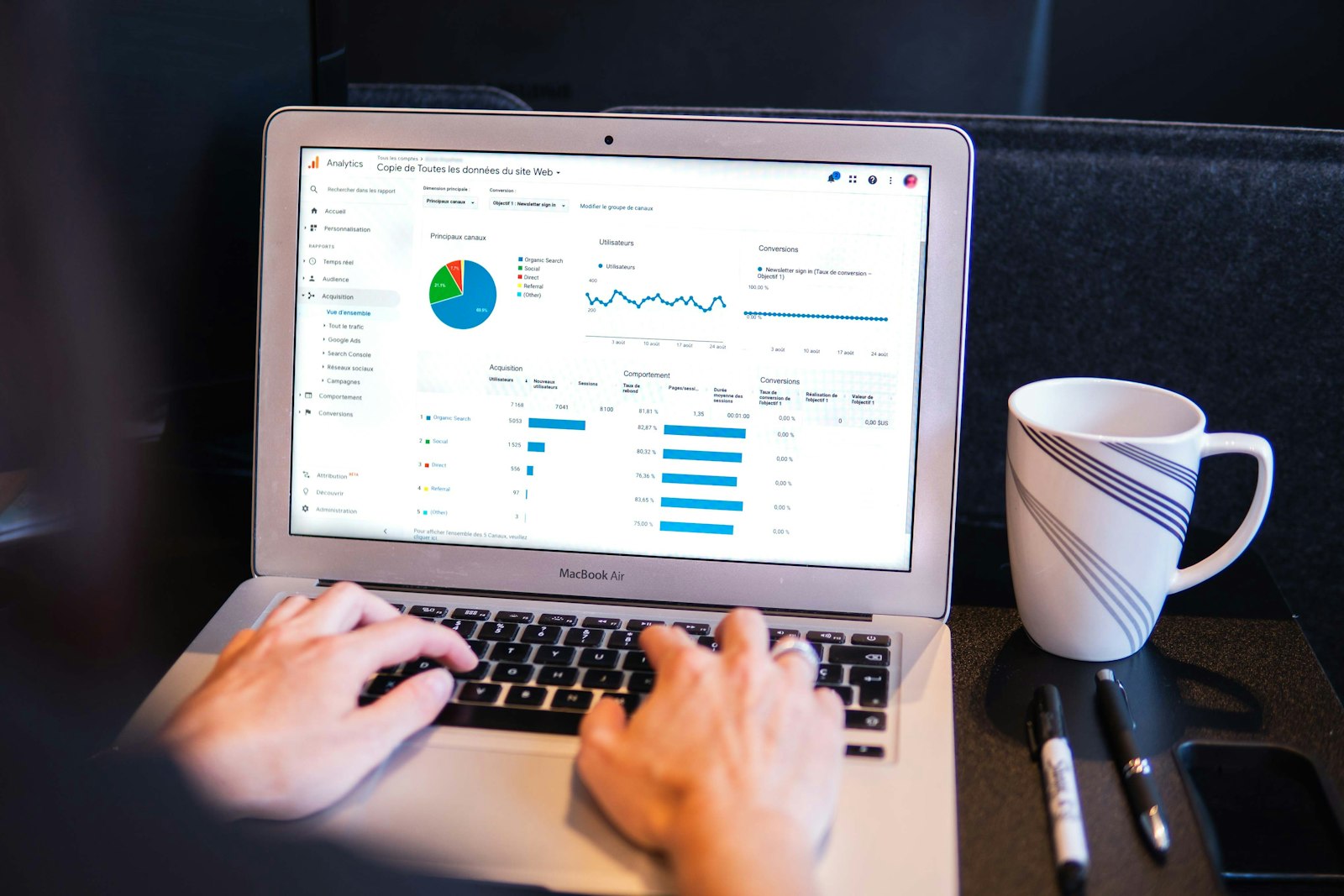
Reporting is built around the numbers that actually matter to your business, leads, sales, cost per acquisition and revenue, rather than vanity metrics like impressions or clicks that look good but don't pay the bills. Performance across every channel is brought together in one place, so you can see the full picture of what's working and what isn't without having to piece it together yourself. Regular, honest reporting means decisions are always based on what the data is actually showing.

Strategy sessions
We regularly step outside the day-to-day execution to properly review performance, challenge our own assumptions and decide what genuinely deserves attention next. These sessions are where the bigger strategic questions get asked, whether a channel is still the right investment, whether the market has shifted, what should be tested next, rather than just fine-tuning what's already running. It keeps the account moving forward with intent instead of drifting on autopilot.

Dedicated account management
You work directly with people who know your business and understand the history behind your account and the decisions that led to where things stand today, rather than being passed between different points of contact. That continuity means less time re-explaining context and more time acting on it. Your account manager connects the dots across every channel we run, so strategy stays joined up instead of siloed.
Reviews
Real feedback from the businesses we work with, straight from Google.
Ethan has done a fantastic job with the SEO on our website. He took the time to properly work through the site, improve the structure, optimise the important pages and explain what he was doing along the way. Since the work commenced, I’ve already seen some very encouraging improvements in our Google visibility and rankings.

I’ve had an amazing experience working with Ethan. From day one, it’s been obvious that he genuinely cares about helping my business grow and always has my best interests at the centre of every recommendation he makes. His service is incredibly personalised, and his expertise across all areas of digital marketing is outstanding.
Ethan has been fantastic to work with. He’s currently helping us with our marketing, SEO and website landing pages, and the level of effort and knowledge he brings has been outstanding. Highly recommend Ethan and The Digital Marketing Consultants to any business looking for someone knowledgeable, reliable and committed to helping your business grow.
I have always been impressed with Ethan’s analysis and enthusiasm and thoroughness in his work for us. He has definitely made a big difference to our presence.
Where LinkedIn performance is
won or lost
Precise targeting and genuine follow-up matter far more than campaign volume. LinkedIn traffic is usually higher-cost and lower-volume than other platforms, so the goal often isn't an immediate sale — it's offering something useful, supporting a sales conversation, and building trust before asking for commitment. Landing pages are designed to match that intent and reduce friction, rather than pushing people toward a decision they aren't ready to make.
Audience definition
Most LinkedIn performance problems start with the audience. Targeting that is too broad wastes expensive impressions on people who will never buy, while targeting that is too narrow can't deliver. Getting job functions, seniority, company size and exclusions right is the foundation for everything else.
The value exchange
Professionals will only give their attention or details in exchange for something genuinely useful. If the offer is weak or the ask is too big too early, costs rise and lead quality falls. A clear, relevant value exchange is often the difference between a campaign that works and one that doesn't.
Sales follow-up
LinkedIn leads are often early in their buying journey. How quickly and thoughtfully sales follows up, and whether there's a nurture sequence for those not ready yet, has a huge impact on how many leads turn into meetings and deals.
Pipeline measurement
Because B2B sales cycles are long, judging LinkedIn on cost per lead alone can be misleading. Tracking leads through to opportunities, deals and revenue shows the channel's true value and helps direct budget toward the audiences and offers that produce real business.

Next level performance starts with a clearer strategy.
Tell us where your marketing is at, what you are trying to achieve and what is getting in the way. We will help you work out the most sensible next step.
Book a strategy callOur process
Discovery call
We learn about your ideal customers, the roles involved in buying, deal sizes, sales cycle and how leads are handled today. That shapes the audience, the offer and a realistic budget for LinkedIn's higher costs.
Account and tracking review
We set up or review Campaign Manager, the LinkedIn Insight Tag, conversion tracking and lead form integrations with your CRM. For existing accounts, we audit targeting, formats, offers and results to find where budget is being wasted.
Campaign strategy and build
We define target audiences and account lists, plan the offers and content for each stage of the buying cycle, and produce ads across the formats that suit your goals, from single image and document ads to video, lead gen forms and Thought Leader Ads.
Launch and optimisation
Once live, we monitor audience delivery, engagement, cost per lead and lead quality, refine targeting and bids, test new creative and offers, and build retargeting audiences from people who have engaged.
Reporting and next steps
Reporting connects LinkedIn activity to leads, opportunities and pipeline wherever possible, with clear commentary on what's working, what we're changing and why.
Frequently asked
questions
Is LinkedIn advertising expensive?
Costs per click and per lead are higher than on most platforms. Whether that's expensive depends on what a customer is worth. For B2B businesses with high-value clients, reaching the exact decision-makers you need can make LinkedIn highly cost-effective.
Is LinkedIn good for branding?
Yes. LinkedIn is one of the best places to build credibility with a professional audience. Consistent visibility with the right people, through thought leadership, case studies and useful content, makes later sales conversations easier and more efficient.
Is LinkedIn suitable for direct sales?
Rarely for cold audiences. Most B2B buyers aren't ready to buy the first time they see you. LinkedIn works best when it builds awareness and generates leads with valuable offers, then retargets engaged prospects with more direct calls to action.
Can LinkedIn ads work for small businesses?
Yes, if the business sells to other businesses or professionals and the value of a client justifies the cost. A focused audience and a strong offer matter more than a big budget. For low-value consumer products, other platforms are usually better.
How long does it take to see results?
Early engagement and leads usually appear within a few weeks. The full impact on pipeline and revenue often takes several months because of longer B2B buying cycles, so we track leading indicators along the way.
Is LinkedIn better for leads or awareness?
It can do both. The strongest results usually come from combining them: awareness and thought leadership with a defined audience, followed by lead generation and retargeting for those who engage.
Should LinkedIn ads replace Google Ads?
No. They do different jobs. Google captures people actively searching for a solution, while LinkedIn reaches the right people before they search. Many B2B businesses benefit from using both together.
Do we need LinkedIn ads if we're already active organically?
Organic posting builds credibility with your existing network, but paid ads let you reach specific roles and companies beyond it, consistently and at scale. The two work well together, and strong organic posts can be promoted as Thought Leader Ads.
How narrow should targeting be?
Narrow enough to reach genuine buyers, broad enough for LinkedIn to deliver and optimise. Very small audiences push up costs and limit learning. We usually start with a clearly defined audience and refine based on who actually engages and converts.
Are message ads worth it?
Sometimes. Message and Conversation Ads can work for event invitations or highly relevant offers, but they're easily perceived as spam if the targeting or message isn't right. We use them selectively rather than as a default.
How important are landing pages?
Very. If you're not using LinkedIn Lead Gen Forms, the landing page needs to match the ad, speak to a professional audience and make the next step easy. A weak page wastes expensive clicks.
How much budget is reasonable?
It depends on your audience size, goals and deal value. LinkedIn needs enough budget to reach your audience regularly and generate meaningful data. We'll recommend a realistic starting budget based on your targets and sales cycle.
Can LinkedIn ads fail?
Yes, usually because of poor targeting, weak offers, unrealistic expectations or no follow-up process. We identify these risks at the start and tell you honestly if LinkedIn isn't the right fit for your business.
Latest insights
Practical thinking on digital marketing strategy and channel performance.
Most local businesses are barely using their Google Business Profile. Here's how to optimise it for reviews, rankings, and more customers - starting this week.
The Power Of Good Content To Rank On Google
Lead Generation vs eCommerce Ads on Meta: Structural Differences That Drive Performance in 2026
Understand the structural differences between lead generation and ecommerce campaigns on Meta Ads.
Let's talk about your marketing
Tell us a little about your business, what you are currently doing and where you want to get to. We will come back to you with a clear idea of what the next conversation should focus on.